
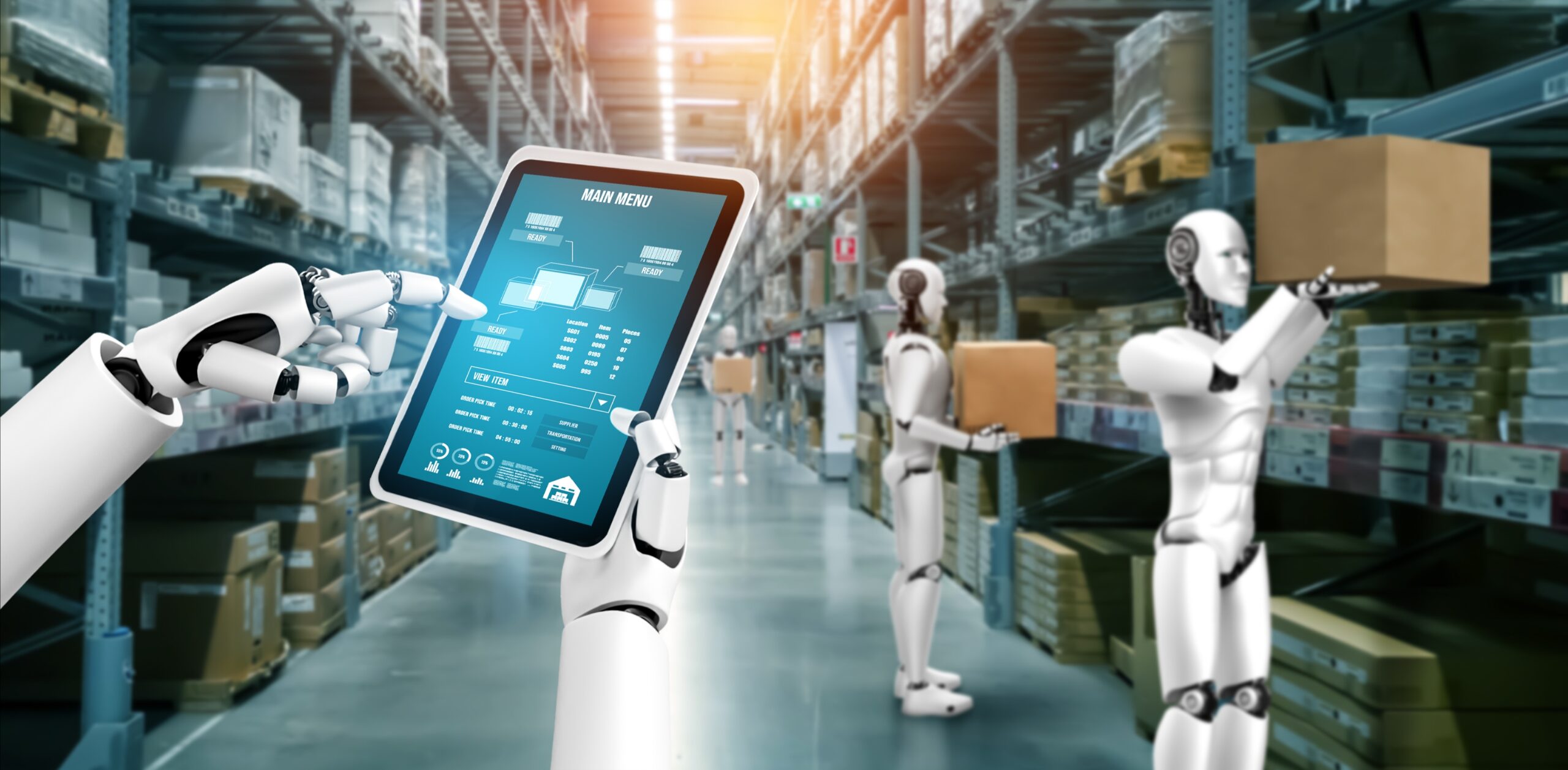
AI adoption in manufacturing is increasingly justified through measurable reductions in loss, improved throughput, and lower operational risk. The most consistent returns are coming from computer vision and monitoring systems embedded directly into physical workflows.
These systems work because they provide visibility into physical processes where manual oversight is limited and inconsistency carries cost.
Loss Prevention and Inventory Integrity
Manufacturing and warehouse environments already rely on cameras for security and compliance. The shift has been from passive recording to active interpretation.
AI vision systems are now used to:
-
detect damaged pallets during movement
-
identify dropped or mishandled goods
-
flag shrink events tied to process breakdowns
-
surface loss before inventory reconciliation
This approach has been publicly documented in large-scale manufacturing. Ford has deployed AI-enabled vision systems across U.S. plants to identify assembly and handling issues in real time, reducing rework and downstream quality risk. The value is not the footage itself but the structured signals that allow teams to isolate where loss occurs and correct upstream processes.
Damage Detection Before Shipment
A significant portion of damage occurs inside the facility but is discovered later in transit or at delivery. AI monitoring changes when that damage is identified.
Vision systems detect:
-
crushed packaging
-
compromised loads
-
improper stacking
-
handling damage at specific transfer points
A publicly reported case from a Fortune 500 food and beverage manufacturer showed that computer vision reduced contamination-risk events and improved line efficiency. The impact came from early detection and intervention rather than automation of judgment. Catching damage before shipment reduces returns, disputes, and insurance claims.
Process Adherence and Throughput Consistency
AI monitoring is increasingly applied to process execution rather than individual performance.
Systems measure:
-
time spent at each workflow stage
-
movement patterns through facilities
-
handoff delays and bottlenecks
-
deviations from standard operating procedures
Manufacturers such as Siemens and BMW have published examples of using AI-driven monitoring and predictive systems to improve production consistency and reduce downtime. In these environments, insights are aggregated at the process level and used to refine layout, sequencing, and maintenance planning.
Worker Safety and Incident Prevention
Safety is one of the most defensible applications of AI monitoring.
AI systems identify:
-
unsafe forklift behavior
-
blocked exits or unsafe stacking
-
near-miss conditions
-
fatigue-related movement patterns
These systems provide objective data that supports training, redesign, and prevention. They also help satisfy regulatory and insurance requirements without relying solely on manual reporting.
Why These Deployments Are Working
These projects succeed because they share common characteristics.
They operate on existing camera infrastructure.
They analyze defined physical workflows.
They generate structured signals rather than raw video.
They integrate into operations and safety functions.
They assign ownership to operational teams rather than security or IT alone.
The systems work within the constraints of the environment instead of attempting to redefine it.
Where Projects Fail
Failures occur when monitoring is positioned as surveillance, deployed without transparency, or used to single out individuals. Resistance increases when workers are not informed how data will be used or when insights are disconnected from process improvement.
Projects also stall when insights are generated but not acted upon. Visibility without authority produces noise rather than results.
What This Means for Manufacturing Leaders
AI on the factory floor is producing returns where it reduces loss, prevents damage, and improves consistency. These results come from operational instrumentation rather than speculative autonomy.
For leaders planning AI investments, the relevant question is whether the organization is prepared to act on what AI surfaces. Ownership, authority, and follow-through determine whether visibility translates into value.
Closing Perspective
AI is paying for itself in manufacturing where it improves visibility into physical work. These deployments rely on existing systems, clear objectives, and operational discipline.
As AI expands further into physical environments, its value will continue to be measured the same way factories measure everything else: fewer losses, fewer incidents, and more predictable outcomes.


